What Other Cultures Teach Us About Death

A wider human conversation about mortality

In many contemporary Western settings, death is often experienced as a disruption of life. It enters life abruptly and is frequently managed within professional systems such as hospitals, legal frameworks, and funeral services. These systems provide essential care, safety, and coordination. At the same time, they can unintentionally distance everyday life from the experience of dying.
Sociologists often describe this historical shift as the medicalization of death, a process through which dying gradually moved from homes and communities into medical institutions during the twentieth century. This development brought important advances in pain management, life-saving treatment, and professional care. Yet it also changed how many people encounter mortality, making death less visible in ordinary life.
Looking across cultures reveals that societies have developed many different ways of relating to death. These approaches are shaped by history, belief systems, family structures, and local traditions. While no culture is uniform and practices vary widely within communities, observing these patterns can expand the conversation. They remind us that there is more than one way humans have learned to live alongside mortality.
Death as Continuity Rather Than Separation
In several cultures, death is understood less as a sudden break and more as a transformation within an ongoing relationship between generations.

In Mexico, for example, the annual observance of Día de los Muertos centers on remembering loved ones through altars known as ofrendas, photographs, favorite foods, and shared gatherings. Families visit cemeteries, decorate graves with marigolds, and tell stories about those who have died. The emphasis is not solely on mourning but on maintaining connection through memory and presence.
A similar sense of continuity appears in Japan, where many households maintain butsudan, or family altars, dedicated to ancestors. During the annual Obon festival, families return to ancestral homes, visit gravesites, and participate in community rituals honoring those who came before them. These practices emphasize belonging across generations and acknowledge that personal identity is shaped by family lineage and memory.
Practices around death differ widely across families and regions, yet the underlying idea appears in many places: remembrance is not simply about letting go but about sustaining relationships through memory.
Community Participation in Dying and Mourning
Another pattern visible in many cultures is the strong role of community participation in death and mourning.

In modern Western contexts, the final stage of life often occurs within professional care systems. While families remain deeply involved, the medical care structure can sometimes leave relatives unsure about their role in the process.
In contrast, some societies approach dying as a shared communal responsibility. Among the Toraja people of Indonesia, funerary ceremonies (funeral, burial, or cremation-related) can unfold over extended periods of time and involve large gatherings of family and community members. These ceremonies serve not only to honor the person who has died but also to reaffirm relationships and social bonds among the living.
The Toraja tradition is culturally specific and closely tied to local cosmology, kinship systems, and social status. It is not a model intended for replication. Yet it illustrates a broader principle found in many cultures: the experience of death often belongs not only to individuals or professionals but to the wider community that surrounds them.
Openness in Conversations About Mortality
Cultural differences also appear in how openly death is discussed.
In societies where funerary rituals and remembrance traditions remain visible in daily life, conversations about mortality often occur earlier and more naturally. Children may attend funerals, participate in remembrance ceremonies, or hear family stories about ancestors. Death becomes a familiar part of the human life cycle rather than a distant or unspeakable subject.

Urbanization, migration, and modernization can influence these patterns, and practices vary widely even within the same society. Still, cross-cultural research suggests that when death remains visible within communal life, it often becomes easier to speak about it openly.
Open conversation does not remove grief or uncertainty. What it can do is reduce the sense of unfamiliarity that sometimes surrounds mortality.
Ritual as a Structure for Meaning
Across cultures, rituals frequently play a central role in helping people navigate death.
Anthropologists have long observed that rituals surrounding death function as rites of passage and guide communities through transitions that affect both the deceased and the living. These rituals create structure during moments when emotional experience can feel disorienting.
Ritual does not have to be elaborate to be meaningful. Lighting candles, preparing favorite foods, gathering to share stories, or visiting places associated with a loved one can all serve ritual functions. These practices offer shared language and collective presence at times when ordinary words may feel inadequate.

In many traditions, ritual serves two purposes simultaneously: it honors the life that has ended while also helping the living reorganize their world after loss.
What These Perspectives Reveal
When cultural traditions are viewed together, several themes appear repeatedly across societies:
Death is acknowledged rather than hidden.
Memory sustains continuing relationships with the deceased.
Community participation supports individuals and families.
Ritual provides structure for grief and remembrance.
None of these approaches removes sorrow. What they often do is place grief within a shared framework of meaning and support.
Observing these traditions does not suggest that one culture holds the correct approach to death. Instead, they reveal something about the broader human story. For thousands of years, societies have developed ways to understand mortality, remember those who came before, and help the living move forward.
A Quiet Invitation to Reflect
Learning how different cultures approach death can widen our perspective on our own assumptions. It invites reflection on questions that rarely appear in everyday conversation.
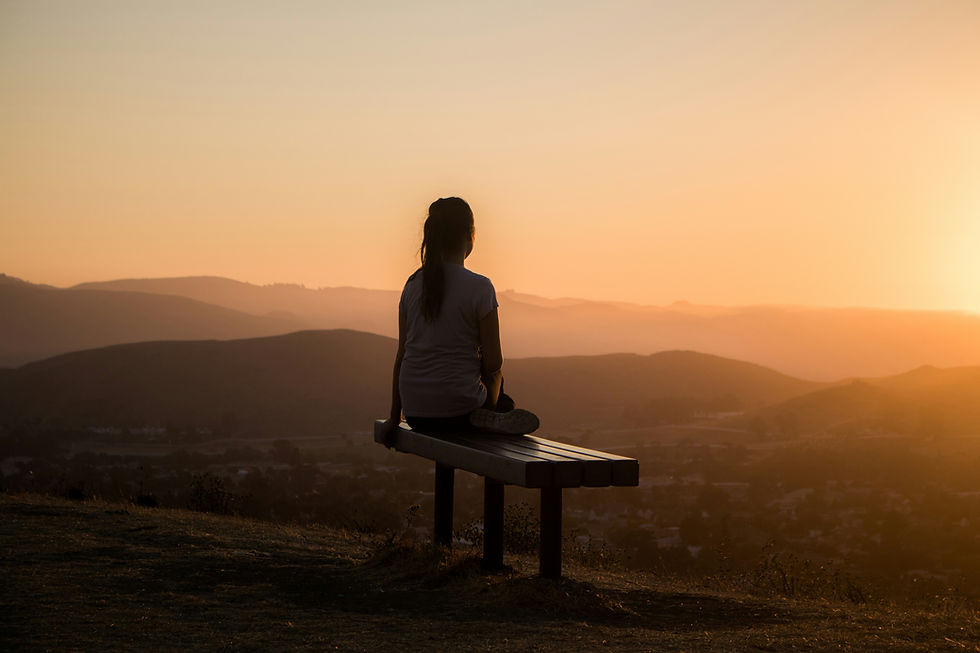
How do we remember those who shaped our lives?
What role might community play in supporting dying and grief?
What practices help us acknowledge loss while continuing forward?
These questions do not require immediate answers. Sometimes it is enough simply to recognize that human societies have always searched for ways to meet mortality with meaning, memory, and care.
This reflection is offered as a gentle invitation to consider the many ways people across the world have learned to live with the knowledge that life, while finite, remains deeply interconnected across generations.


Comments